

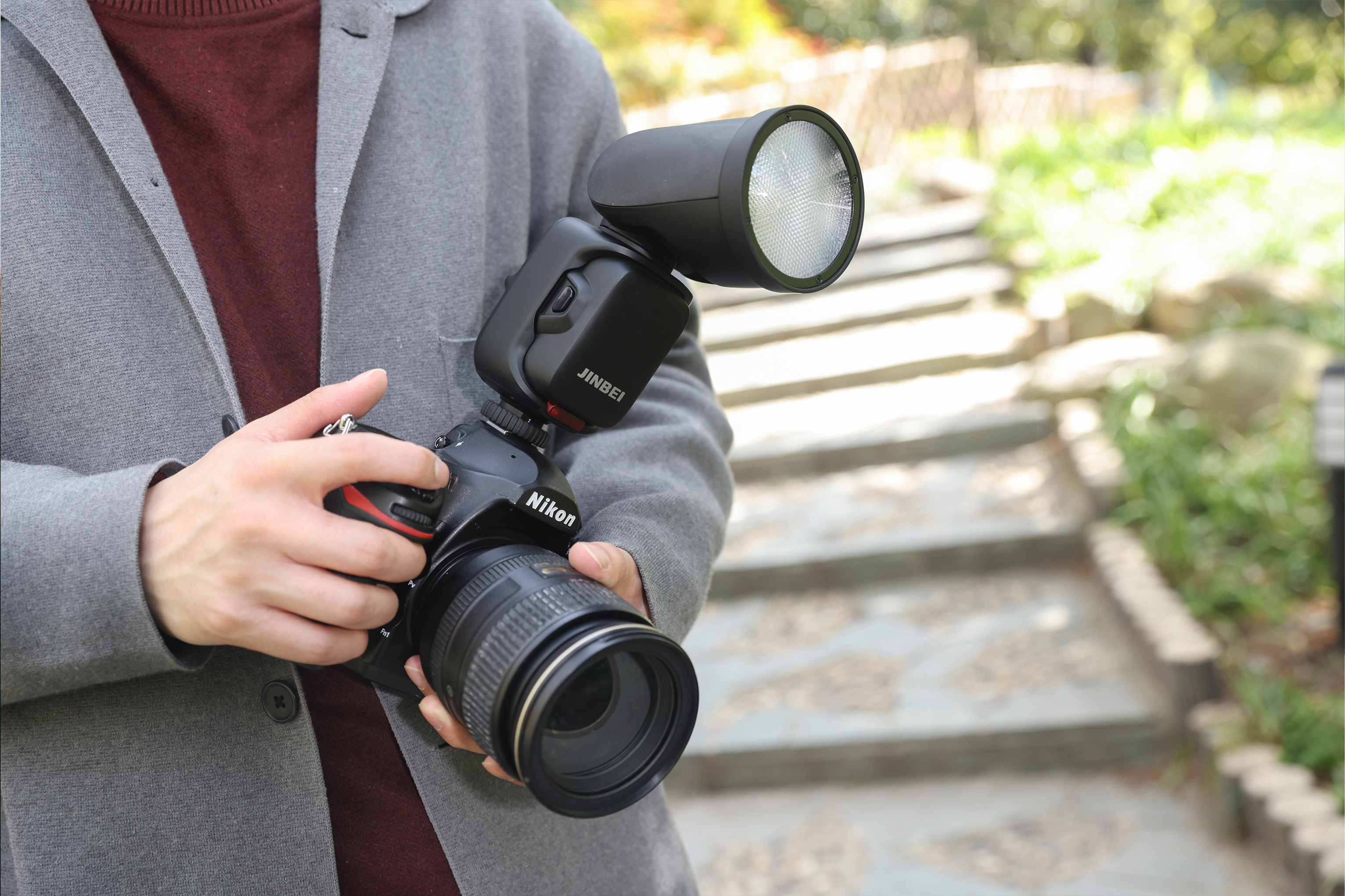
In order to advance in photography, it is inevitable to become familiar with the flash photography to deal with. Anyone who wants to be active in the studio comes to the use ofFlash hardly over and other areas of photography also rely on the practical helper, which is always there when there is not enough light or when there is a light in the picture special effect is to be achieved.
The big and sometimes heavy ones studio systems are often perfect to use under controlled conditions in the studio to photograph. But with spontaneous shootings, at events or on vacation, it is more likely to appear system flash to be the ideal choice. Additionally, this flash caters to the beginner at the beginning more control that it takes to learn the basics of flash photography.
What flashes are available to photographers?
Basically there is three types of lightning , whose effects photographers can incorporate into their work. The first type of flash is only briefly mentioned here, as it is rarely used in practice. It is about the built-in flash , which many cameras are equipped with. However, some professional models completely do without an integrated flash, as this is used by professional photographers due to its low thickness and the central attachment is hardly used. The resulting photos often appear dull and flat. If you want to learn how to work with a flash, you should also refrain from using the internal flashes and only use them in an emergency.
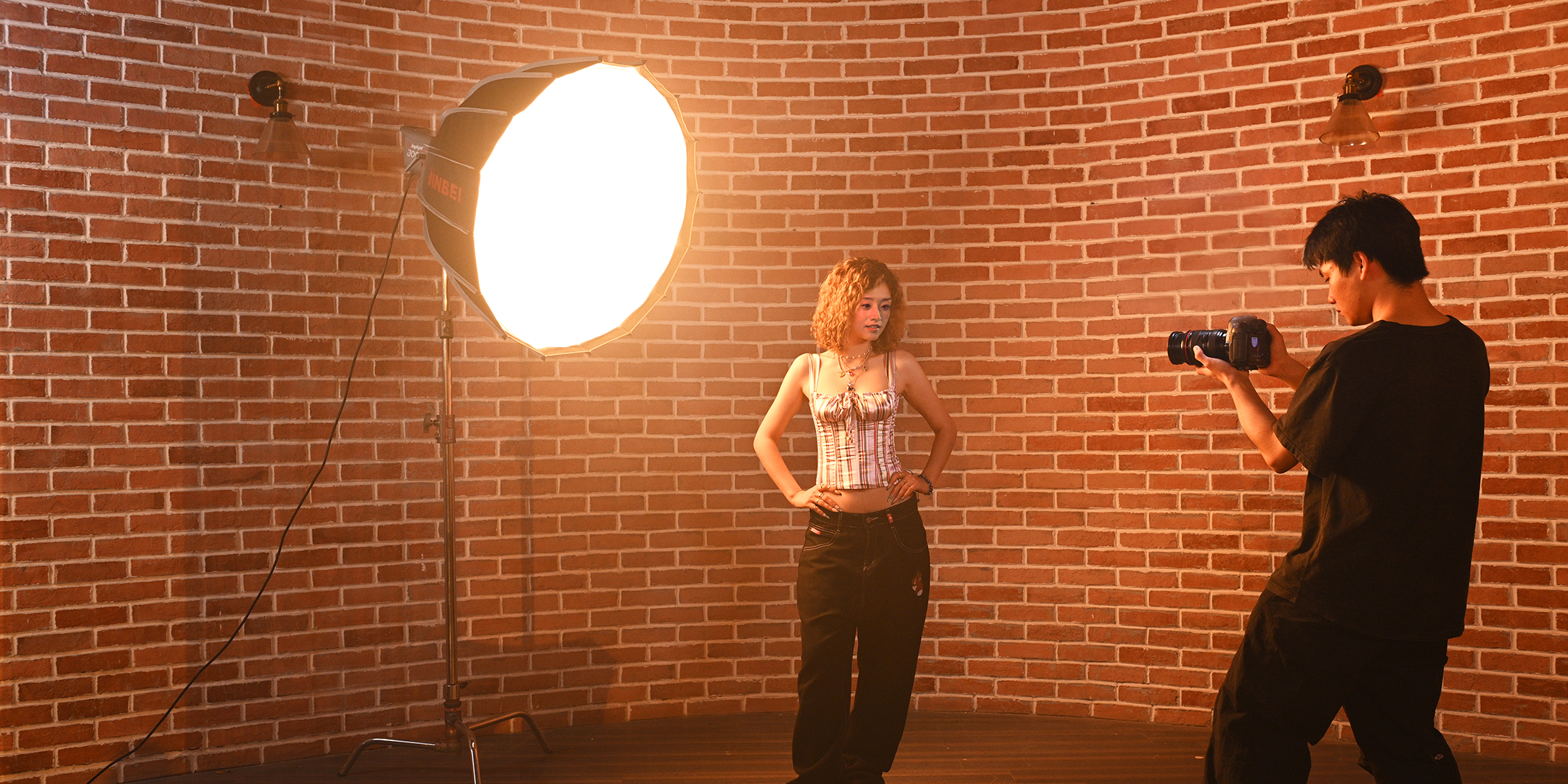
The second and most traditional category the flashlights are the studio flashes . These have been used for decades and are characterized by their extreme high performance , but also by their size, cost and weight. When working in the studio, however, powerful flashes are irreplaceable.
Thesystem flash, which is also often called clip-on flash or external flash, is included in one small housing everything the photographer needs for flash photography. What is special about this most popular variant of the flash is that it can be used both on the camera body using hot shoes and unleashed, i.e. detached from the camera.

What are the differences between studio and system flashes?
Many of the differences between that Studio and system flash are obvious. during a single flash head can already weigh several kilos in the studio and is dependent on a number of robust tripods, light shapers and sometimes even external batteries, weighs the system flash little and always fits in the camera bag. Of course, photographers also have to make some trade-offs with this smaller flash. The Performance usually does not come close to that of a studio flash and the use oflight shapers, which model the faces of models in a particularly attractive way, is only possible to a limited extent.
Due to the numerous innovations with whichsystem flashes are now available, more and more photographers are choosing to work with this variant, depending on the area of application. High-quality models are now included autofocus assist lights , with a stroboscopic effect or with High speed sync fitted. The latter allows the user to significantly reduce the usual synchronization time between camera and flash. To draw a brief conclusion on the differences between these two flash types: Both variants will also have their future ideal area of application and their raison d'être, but the modern system flash with its new capabilities is penetrating more and more into the classic territory of the studio flash.
The advantages of the system flash
As the name suggests, specific flashes are a perfect fit for a specific system. In the meantime, this has relaxed somewhat, so that flashes can be used without any problems Cameras from different manufacturers can be used. Due to the precise adjustment to a system, there is a gapless communication between the flash and the camera. Before triggering, the TTL mode calculates exactly how high the flash output must be in order to guarantee perfect exposure.
Of course, there are other benefits too light weight , the hassle-free and fast Replacing the batteries and the little logistical effort .

Tips for flashing with system flash
Before using the system flash, it is important that photographers not only deal with its possibilities in detail, but also with the effect of artificial light recall during a shoot. The Direction , the luminous intensity , the size of the light source and the Distance are even more decisive for the final look than the flash itself. The system flash can only be used to its full extent when you have access to a basic wealth of knowledge when taking photos.
Another good tip is to find out about the available accessories andaccessories about the chosen system. A flash card, diffuser, or smaller, clip-on light shaper will change that lighting effect clearly. This is recommended in order to be able to work even more effectively, more specifically and, above all, with several system flashes unleashed lightning . All you need is the appropriate transmitter and receiver.
TheAttachable or system flash is the best compromise for all photographers who professional results want to achieve, but don't want to deal with the weight, size and cost of classic studio flashes.
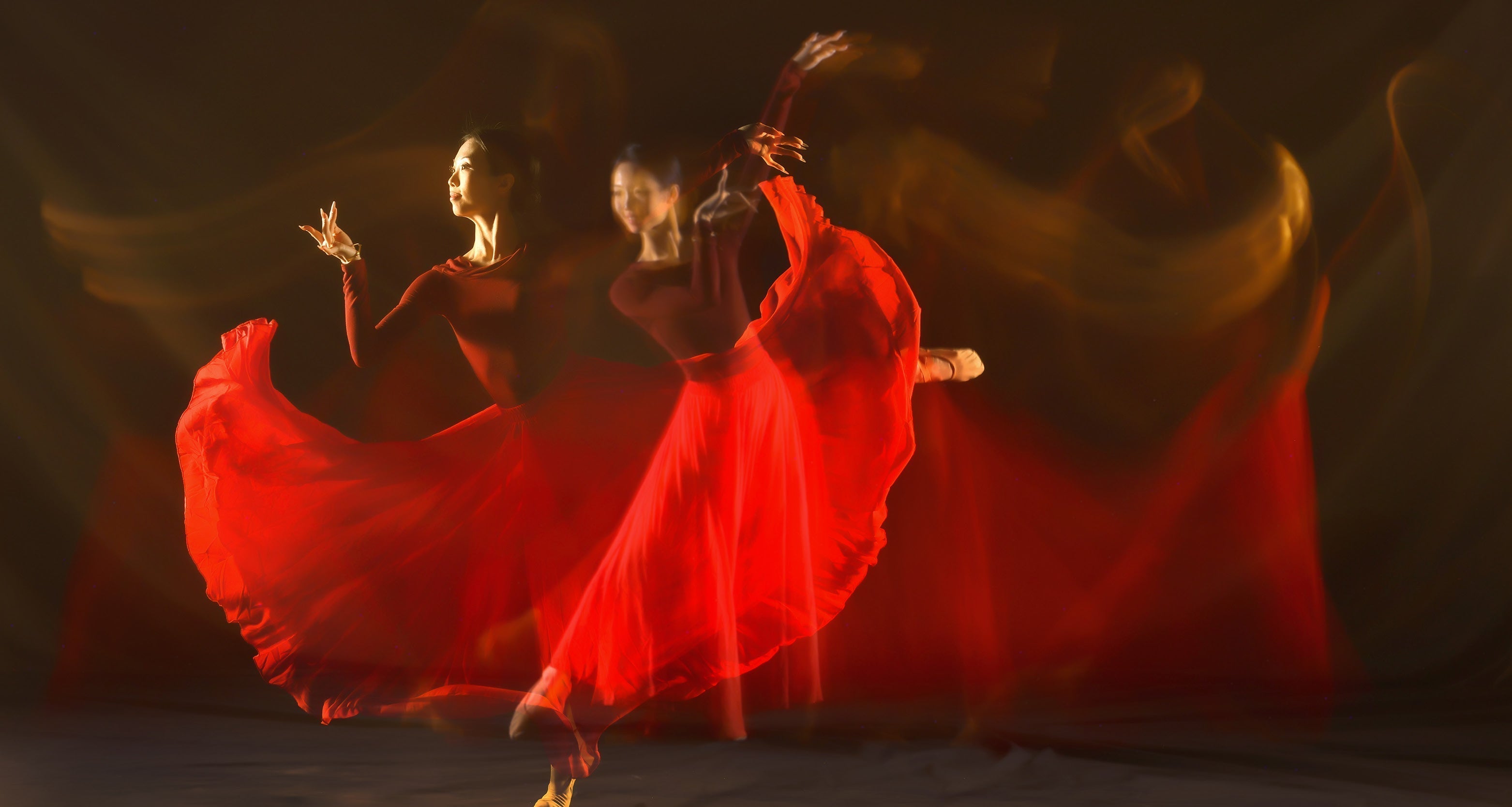
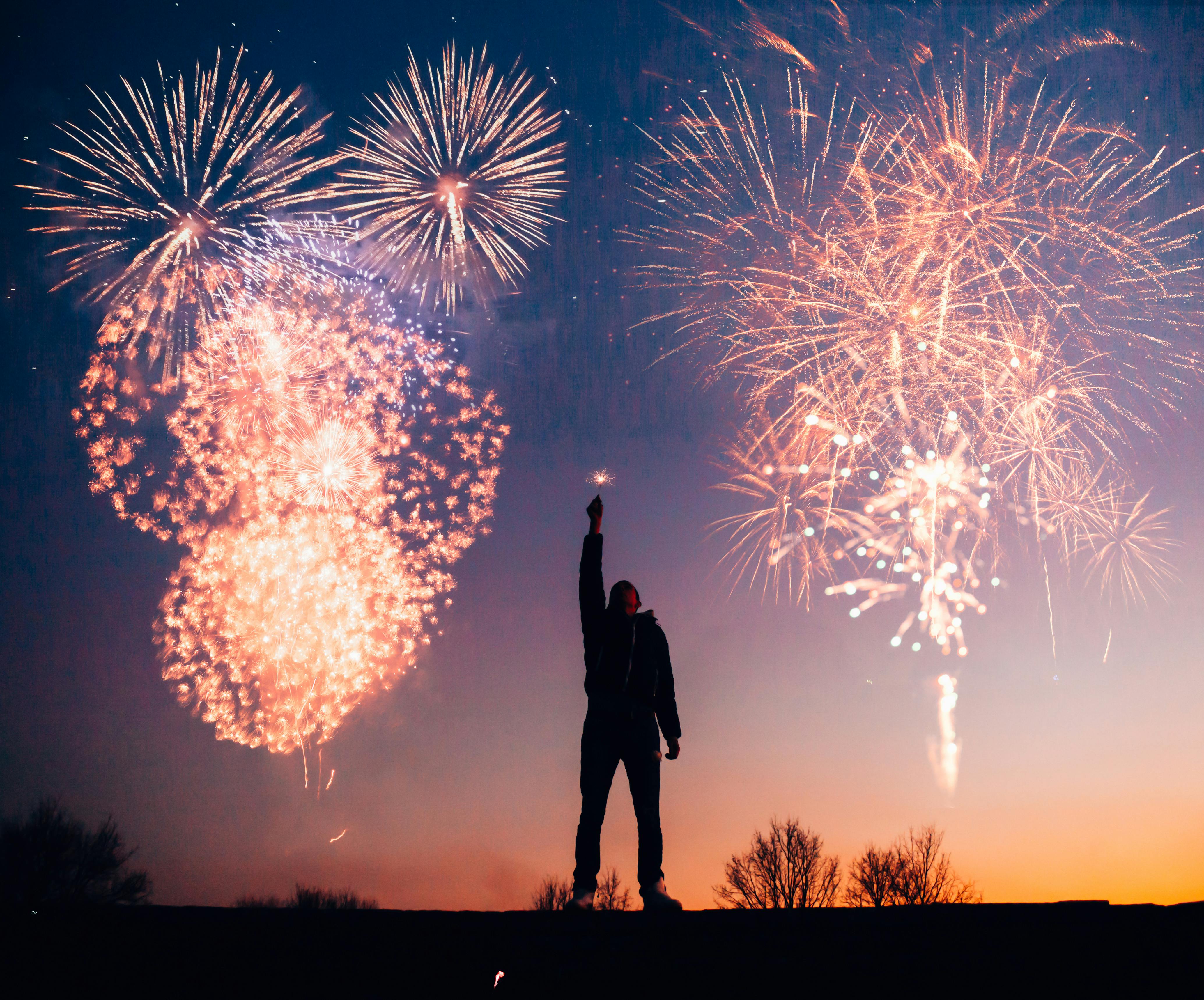
Even if you want great shots with a system flash did, please tag usInstagram andFacebook with the hashtag#jinbeiphotobox. We look forward to your results!

Teilen:
Beauty photography for beginners
Light and shadow – hard light in photography